
Empowering the Frontline: Why Community Health Workers Matter
In 2021, during the height of the COVID-19 pandemic, Kenya’s health system was under immense pressure. The emotional toll on families, health workers, and communities revealed what many already knew: mental health is not a luxury, it is a necessity.
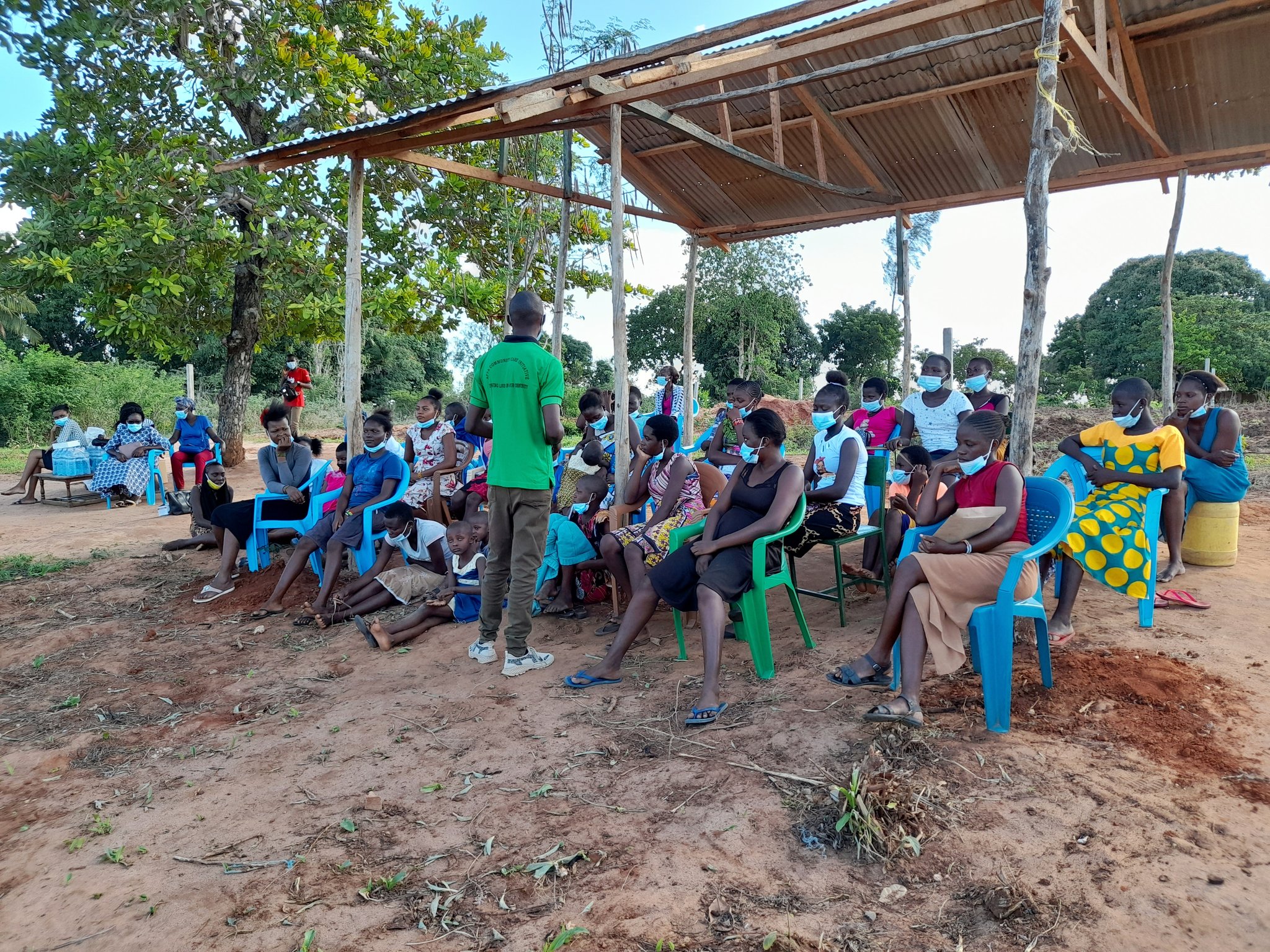
That same year, the Coalition Action for Preventive Mental Health Kenya (CAPMHK) took a bold step. Recognizing the urgent need for early mental health response, CAPMHK petitioned the Ministry of Planning and the National Treasury to allocate a larger share of the national health budget toward community health care workers (CHWs). These workers form Kenya’s first line of defense in both physical and mental health emergencies.
“Mental health care must start in the community, not in crisis rooms. Empowering our community health workers is the first step to building a nation that values wellness.”
— Dr. Catherine Syengo, Deputy Director of Mental Health, Ministry of Health Kenya
This statement reflects the exact principle CAPMHK championed through its 2021 petition: strengthening preventive care by equipping community health workers with the knowledge and skills to respond to emotional and psychological distress before it escalates.
Why This Petition Was Groundbreaking
Community health workers are often the first to respond in moments of crisis, whether during droughts, disease outbreaks, or family emergencies. Yet, until 2021, mental health training was rarely part of their toolkit. CAPMHK’s petition emphasized that without psychological first aid skills, Kenya’s response to trauma, suicide risk, and emotional distress would remain incomplete.
This petition echoed the principles outlined in Kenya’s Mental Health Policy 2015–2030 and the Mental Health Taskforce Report 2020, both of which call for the integration of mental health services across all levels of care, including within community-based structures.
By presenting this petition, CAPMHK initiated a significant shift in the national conversation, asserting that preventive mental health must begin within the community rather than in hospitals alone.
Impact and Ripple Effects
Although systemic reform takes time, the 2021 petition achieved several important outcomes:
- It raised national awareness about the essential role of community health workers in suicide prevention and resilience building.
- It laid the foundation for future advocacy efforts, including CAPMHK’s participation in national policy reviews and SDG reporting.
- It inspired collaborations with county health departments and research institutions that continue to strengthen Kenya’s preventive mental health system.
This petition became one of the earliest examples of civil society directly influencing national budget conversations on mental health, an area that had long been underfunded.
Looking Ahead
Today, CAPMHK continues to advocate for the inclusion of mental health in every sector of development, from healthcare and justice to education and environmental planning. The 2021 petition was not only a call for funding but also a call for recognition. It affirmed that mental health is fundamental to Kenya’s wellbeing and sustainable development.
As Kenya advances toward the goals of SDG 3.4 (reducing premature mortality linked to mental illness and suicide) and SDG 16 (promoting justice and inclusion), CAPMHK’s early efforts stand as a reminder that lasting change begins with courageous advocacy and a clear vision for preventive mental health.
